Myth-busting · 7 min read
Is "clean eating" a trap? An honest look
'Clean eating' has no clinical definition. That is the first problem. The second is that rigid food rules predict worse eating behaviour and worse long-term weight outcomes than flexible ones — while the underlying dietary pattern, not the label, is what tracks with health.
Rigid rules and flexible rules are not the same tool
Dietary restraint research has separated rigid restraint (all-or-nothing rules, forbidden foods, guilt) from flexible restraint (portion adjustment, planned indulgences). Rigid restraint is repeatedly associated with higher disinhibition, more binge episodes and higher body mass; flexible restraint is associated with the opposite.
In practice this means 'I never eat bread' is a weaker strategy than 'I plan bread into most days at a size that fits my day'.
Orthorexic patterns sit at the far end of the same line
A fixation on food purity — orthorexia nervosa — is not yet a formal diagnosis, but reviews describe real functional harm: social withdrawal, anxiety around unplanned meals, and nutrient gaps from progressively narrowing food lists. The warning sign is not what someone eats, it is how much distress a deviation causes.
The pattern is where the evidence actually is
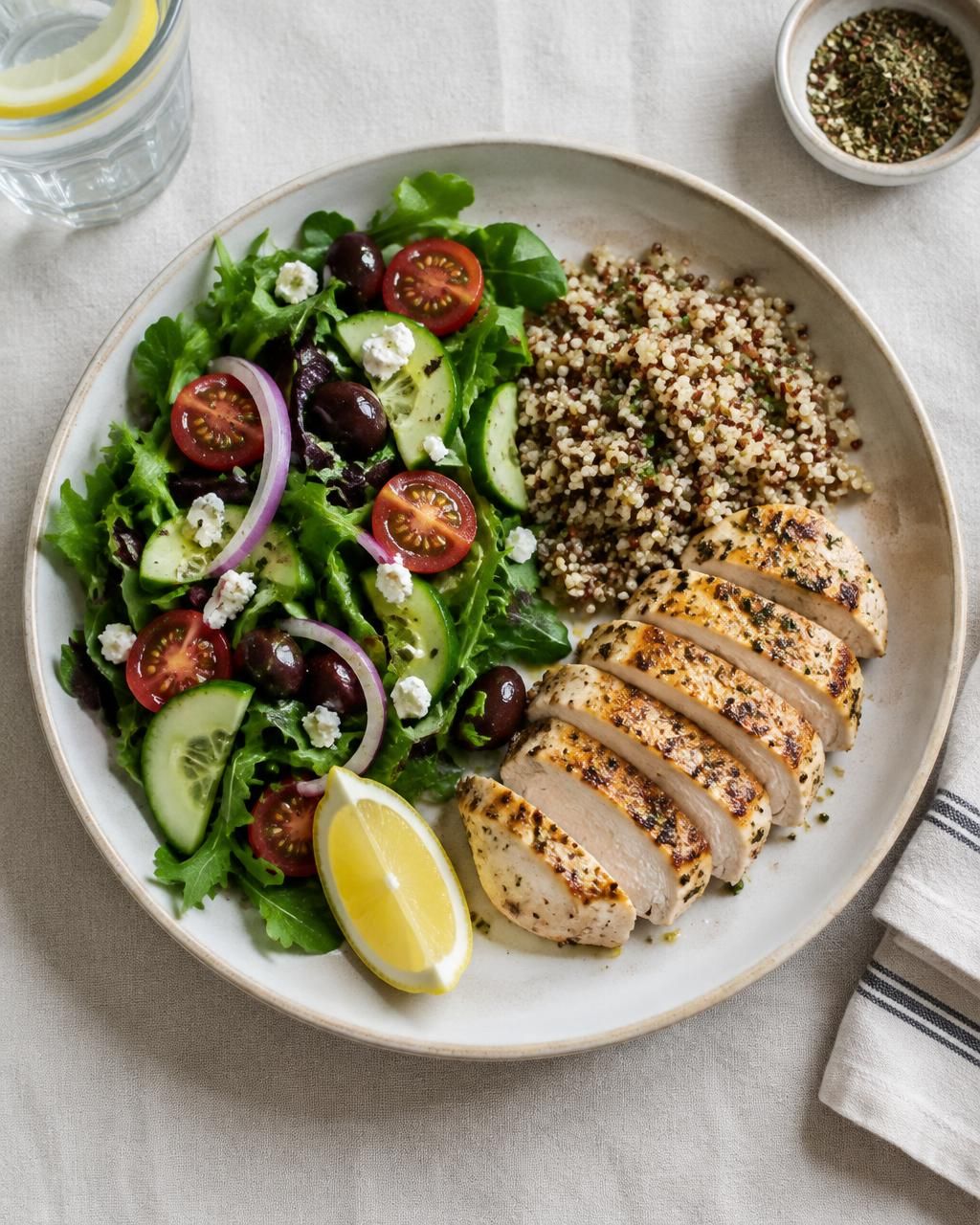
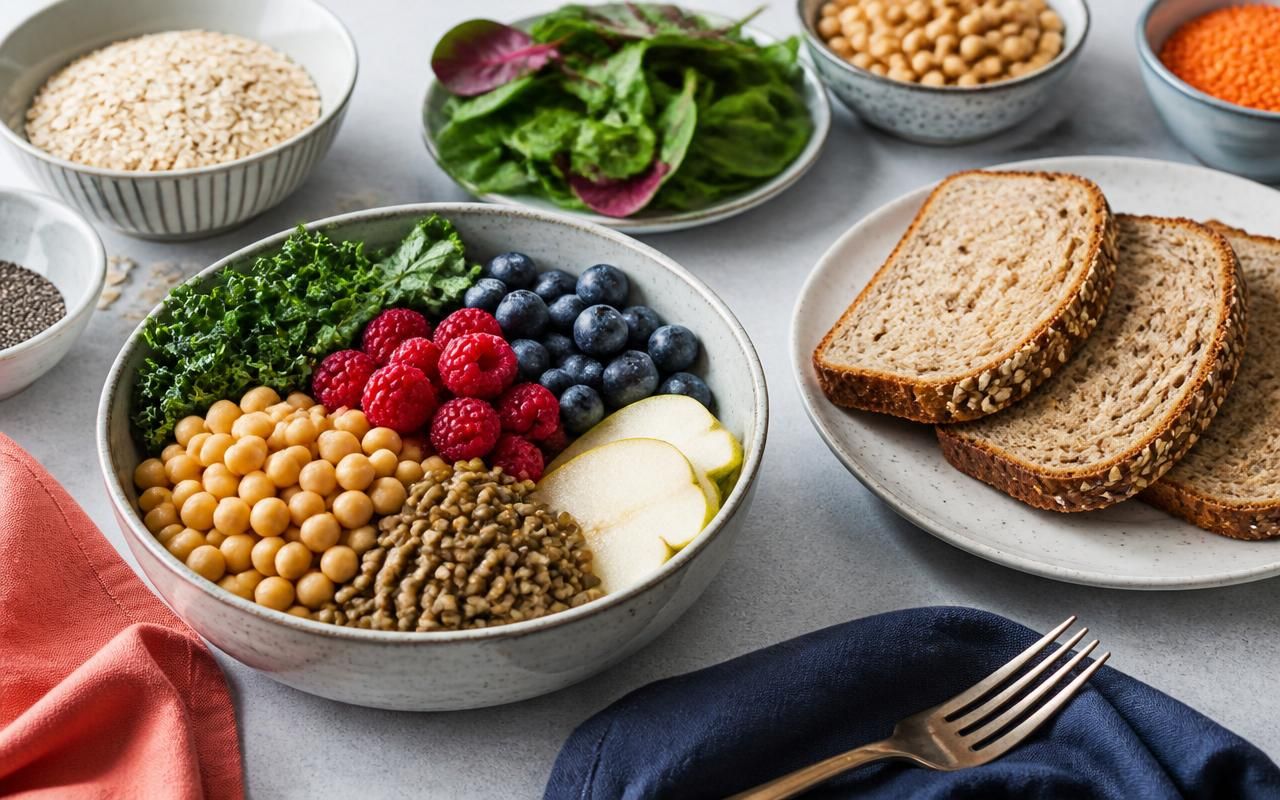
Mediterranean-style eating — vegetables, legumes, whole grains, fish, olive oil, with meat and sweets kept occasional — has randomised-trial evidence for cardiovascular risk reduction. Nothing in that pattern requires purity, exclusion of whole food groups or expensive products.
Diet quality, adherence and sustainability move outcomes. Adherence is precisely what rigid rules destroy.
How to build a flexible plate
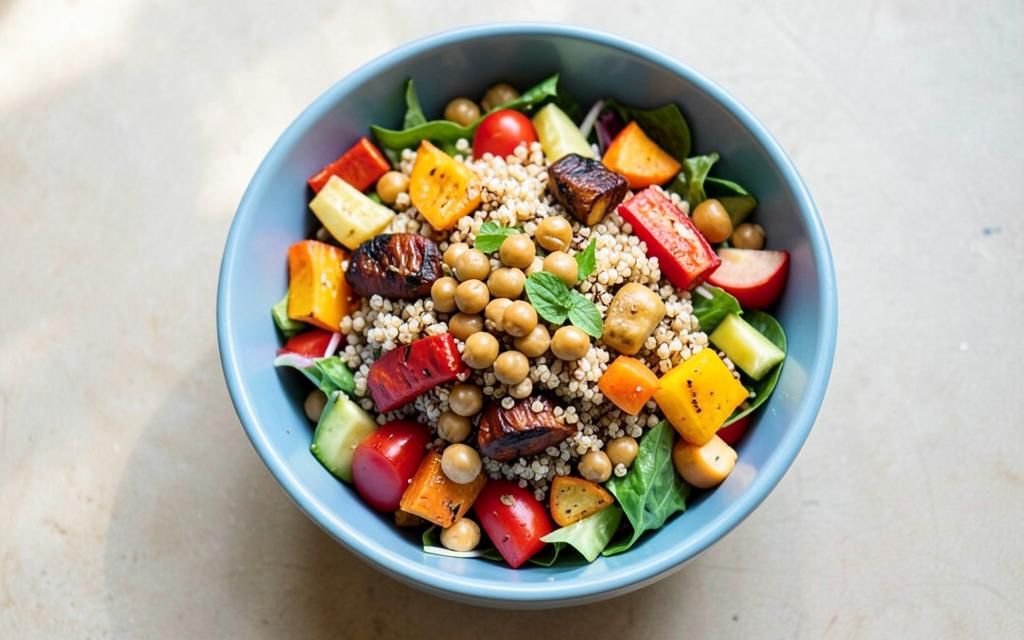
Half the plate vegetables and fruit, a quarter a protein source you actually like, a quarter a starch you actually like, plus a fat source for satiety and flavour. Then allow one to two planned discretionary items per day inside your energy target.
If a food rule increases your anxiety more than it improves your bloods, your training or your body composition, it is costing you more than it returns.
Sources
Where this information comes from
Peer-reviewed clinical studies, position stands and consensus statements.
- 01Westenhoefer J, Stunkard AJ, Pudel V. Validation of the flexible and rigid control dimensions of dietary restraint. Int J Eat Disord. 1999;26(1):53–64. View study
- 02Cena H, et al. Definition and diagnostic criteria for orthorexia nervosa: a narrative review. Eat Weight Disord. 2019;24(2):209–246. View study
- 03Estruch R, et al. Primary prevention of cardiovascular disease with a Mediterranean diet supplemented with extra-virgin olive oil or nuts (PREDIMED). N Engl J Med. 2018;378:e34. View study
This article is general information, not individual medical advice. For a plan matched to your health history, book a consultation.