Fueling · 6 min read
5 pre-workout meals that actually stick
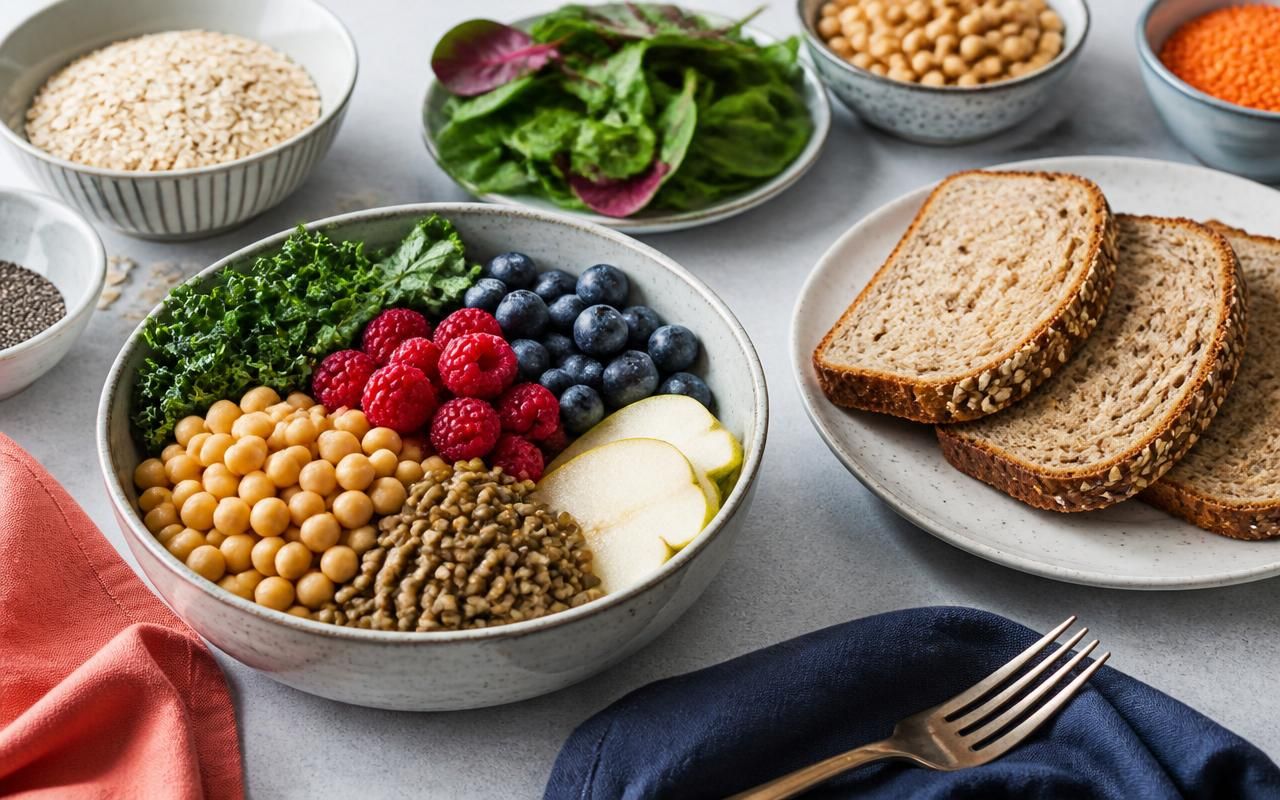
What you eat in the hours before training decides how much work you can hold at intensity. The evidence is consistent: carbohydrate availability, sensible timing and a low-residue texture matter far more than any single 'superfood'.
Carbohydrate is the lever that moves performance
For sessions longer than roughly 60 minutes, or any high-intensity work, muscle and liver glycogen are the limiting fuel. Sports-nutrition position stands recommend 1–4 g of carbohydrate per kilogram of body mass in the 1–4 hours before exercise, scaled down as the meal moves closer to the session.
For a 70 kg athlete that is anywhere from a slice of toast with honey 60 minutes out, to a full rice-and-chicken plate three hours out.
Timing: the closer you get, the smaller and simpler it gets
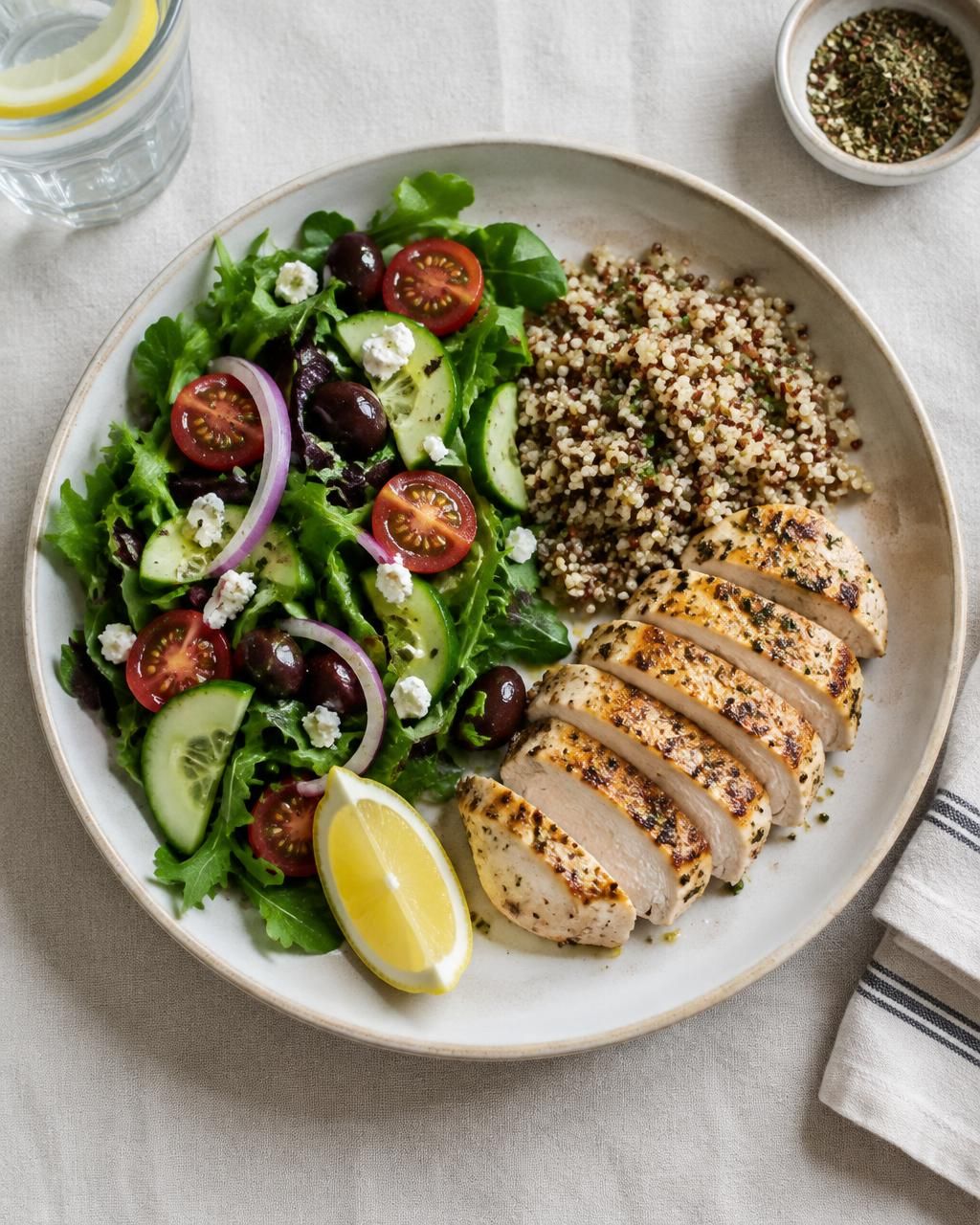
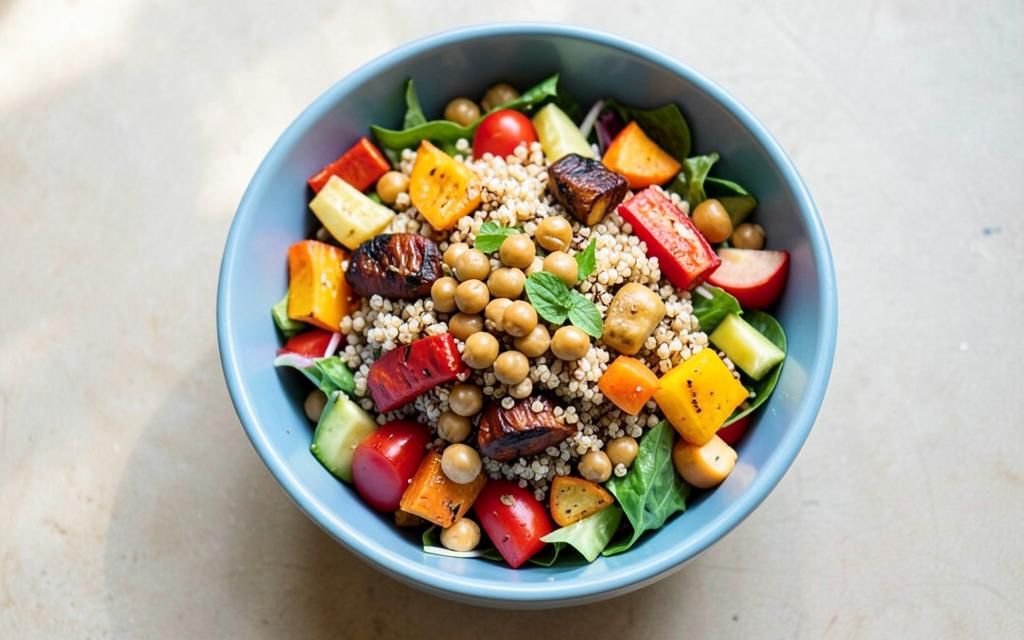
Three to four hours before: a normal mixed meal — starch, lean protein, a little fat, cooked vegetables.
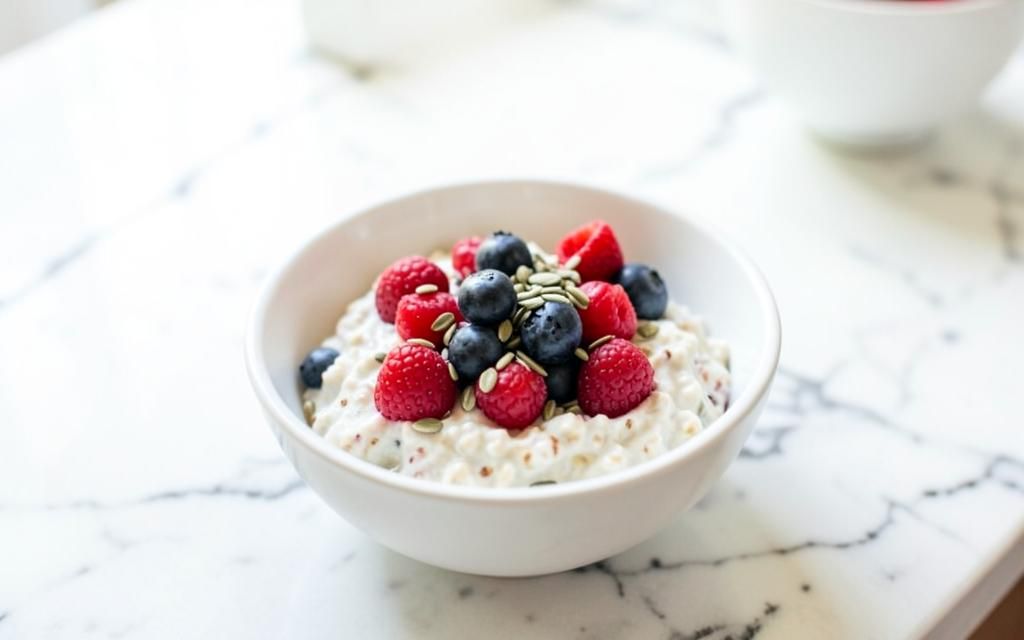
One to two hours before: lower fat and fibre, keep carbohydrate and modest protein — oats with milk, a banana with yoghurt, or white rice with eggs.
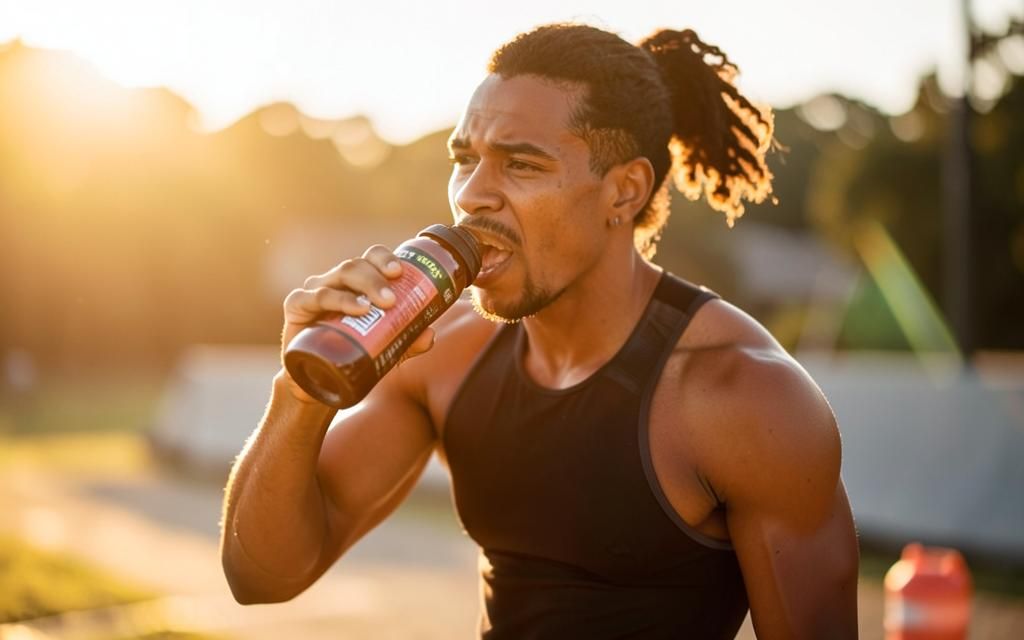
Under 60 minutes: liquid or soft carbohydrate only. Gastric emptying slows with fat, fibre and concentration, and that is the usual cause of the heavy, sloshing stomach people blame on 'nerves'.
Protein alongside carbohydrate, not instead of it
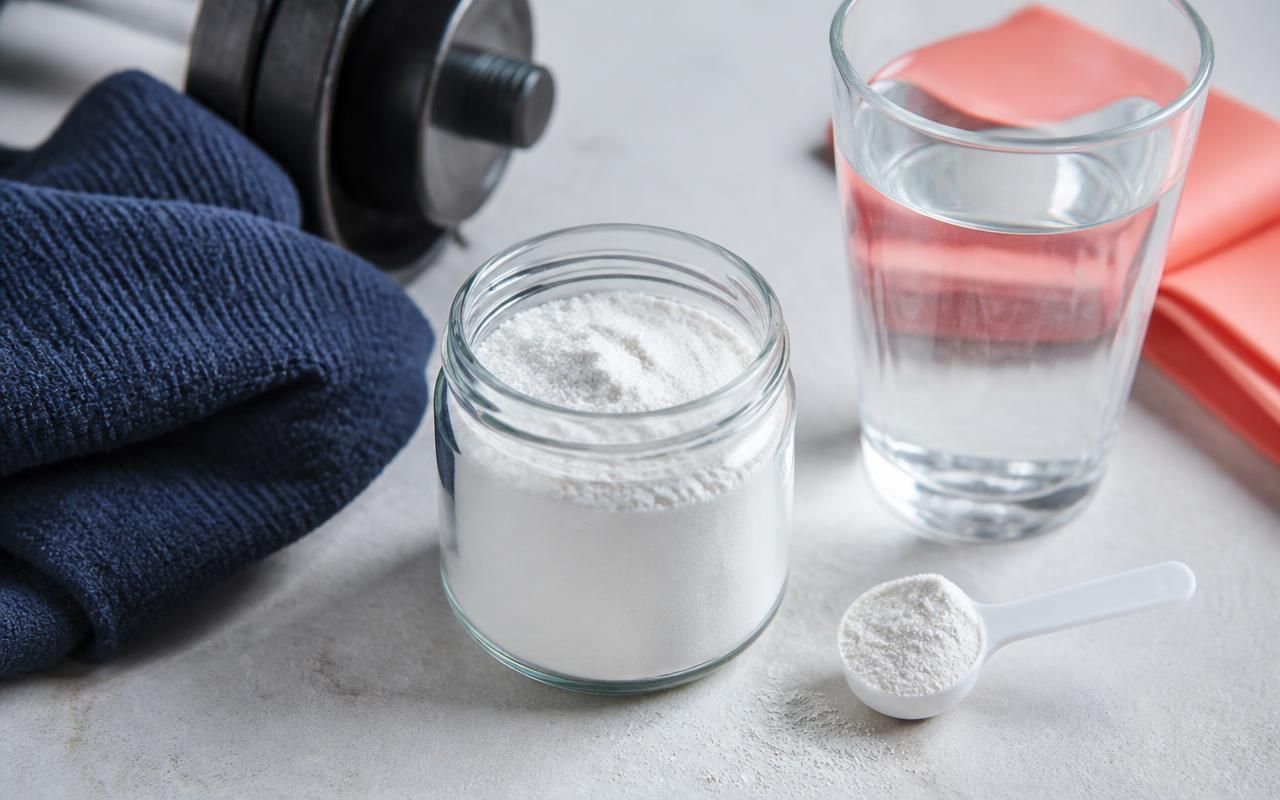
Adding 0.25–0.4 g/kg of protein to the pre-session meal supports muscle protein balance across the session without harming performance. It is particularly useful when the next full meal will be several hours after training.
Five meals that work in practice
1. Overnight oats with milk, banana and a spoon of honey — 2 hours out. 2. White rice, grilled chicken and cooked carrots — 3 hours out. 3. Toast with jam and a boiled egg — 90 minutes out. 4. Yoghurt with dates and a little granola — 75 minutes out. 5. A fruit smoothie with milk or whey — 30–45 minutes out.
Rehearse the meal in training before you use it on a competition day. Gut tolerance is trainable and highly individual.
Sources
Where this information comes from
Peer-reviewed clinical studies, position stands and consensus statements.
- 01Thomas DT, Erdman KA, Burke LM. Position of the Academy of Nutrition and Dietetics, Dietitians of Canada, and the American College of Sports Medicine: Nutrition and Athletic Performance. J Acad Nutr Diet. 2016;116(3):501–528. View study
- 02Kerksick CM, et al. International Society of Sports Nutrition position stand: nutrient timing. J Int Soc Sports Nutr. 2017;14:33. View study
- 03Jeukendrup AE. Periodized nutrition for athletes. Sports Med. 2017;47(Suppl 1):51–63. View study
This article is general information, not individual medical advice. For a plan matched to your health history, book a consultation.